Flat Roof Installations in Calgary
Flat Roof Installations
Flat roof installations in Calgary require proper planning, skilled crews, and a roofing system suited to the building’s use, drainage needs, and local weather conditions.
For commercial properties, the installation process must also account for safety, access, scheduling, rooftop equipment, and long-term building performance.
United Roofing helps building owners, property managers, general contractors, architects, and condo boards plan and complete flat roof installation projects across Calgary.
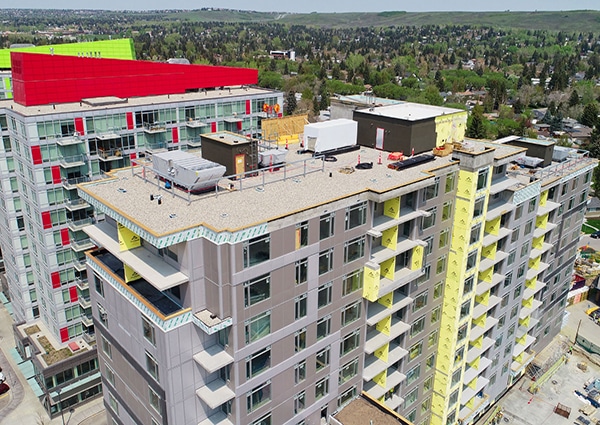
Commercial flat roof installation for Calgary buildings
Flat roofs are common on commercial and multi-family buildings because they provide practical roof access, space for rooftop equipment, and efficient coverage for large roof areas. When installed properly, a flat roofing system can support the long-term performance of the building envelope and help reduce future maintenance concerns.
United Roofing provides flat roof installation services for a range of Calgary properties, including:
- Retail buildings
- Industrial buildings
- Office buildings and office towers
- Condominiums
- Apartment buildings
- Commercial plazas
- Mixed-use properties
- New construction and major renovation projects
Each installation must be planned around the building, not just the roof surface. Drainage, insulation, slope, membrane selection, flashing, penetrations, and rooftop equipment all affect how the system should be designed and installed.
Proper flat roof installation starts with clear planning
A successful flat roof installation begins before materials arrive on site. For commercial projects, planning helps reduce avoidable delays, confirm scope, and support safer work conditions.
The planning stage may include:
- Reviewing drawings, specifications, or existing roof details
- Confirming the building type and intended use
- Assessing roof access and staging requirements
- Reviewing drainage, slope, drains, and scuppers
- Confirming insulation and energy performance needs
- Coordinating with general contractors, consultants, or other trades
- Reviewing rooftop equipment, curbs, and penetrations
- Confirming safety requirements and site conditions
- Aligning the installation schedule with building operations
This planning helps ensure the selected roof system is practical for the site and that installation details are confirmed before work begins.
Calgary weather affects flat roof installation decisions
Calgary’s climate can place added demands on flat and low-slope roofing systems. Freeze-thaw cycles, snow accumulation, hail, wind, UV exposure, and rapid temperature changes can all affect roof performance over time.
For this reason, flat roof installation in Calgary should account for:
- Proper drainage to reduce standing water
- Slope and insulation design
- Wind exposure and roof edge details
- Snow load and seasonal maintenance needs
- Hail and storm exposure
- Membrane seams and flashing details
- Temperature-sensitive installation conditions
- Rooftop equipment and future service access
A flat roof is a system. The membrane matters, but so do the details around drains, walls, curbs, penetrations, and edges.
Flat roofing system options depend on the building
There is no single flat roofing system that fits every commercial building. The right system depends on the property, site conditions, budget, roof use, maintenance expectations, and warranty requirements.
Flat roofing options may include systems such as SBS, EPDM, TPO, PVC, built-up roofing, or other commercial assemblies. Each option has different installation requirements and performance considerations.
When reviewing system options, United Roofing considers practical factors such as:
- Building type and size
- Roof access and traffic
- Drainage and slope
- Existing or planned rooftop equipment
- Insulation needs
- Budget and lifecycle planning
- Manufacturer requirements
- Maintenance expectations
- Warranty considerations
The goal is to recommend an approach that fits the building and supports long-term performance, not to force one system into every project.
The installation process is built around safety and quality control
Flat roof installation should be managed through a clear process. This is especially important on occupied buildings, active construction sites, and properties with tenant or operational concerns.
A typical flat roof installation process may include:
- Initial consultation and scope review
- Site assessment or drawing review
- System recommendation and written scope confirmation
- Safety, access, and staging planning
- Substrate, insulation, and drainage preparation
- Roof system installation
- Detailing around drains, edges, curbs, and penetrations
- Quality control review
- Cleanup and closeout documentation
- Maintenance planning after installation
The exact process depends on the building, project size, roof design, and site conditions.
Installation details can affect long-term roof performance
Many flat roof issues begin at vulnerable details, not in the open roof field. That is why installation planning should account for transitions, penetrations, and drainage points.
Important installation details may include:
- Roof drains and scuppers
- Flashing at walls and parapets
- Roof edges and metal details
- Seams and membrane transitions
- Curbs for rooftop equipment
- Pipe and vent penetrations
- Access points and walkways
- Insulation layout and slope
- Tie-ins to existing building envelope systems
These details help manage water, protect the roof assembly, and support the building’s long-term maintenance plan.
United Roofing supports commercial project teams in Calgary
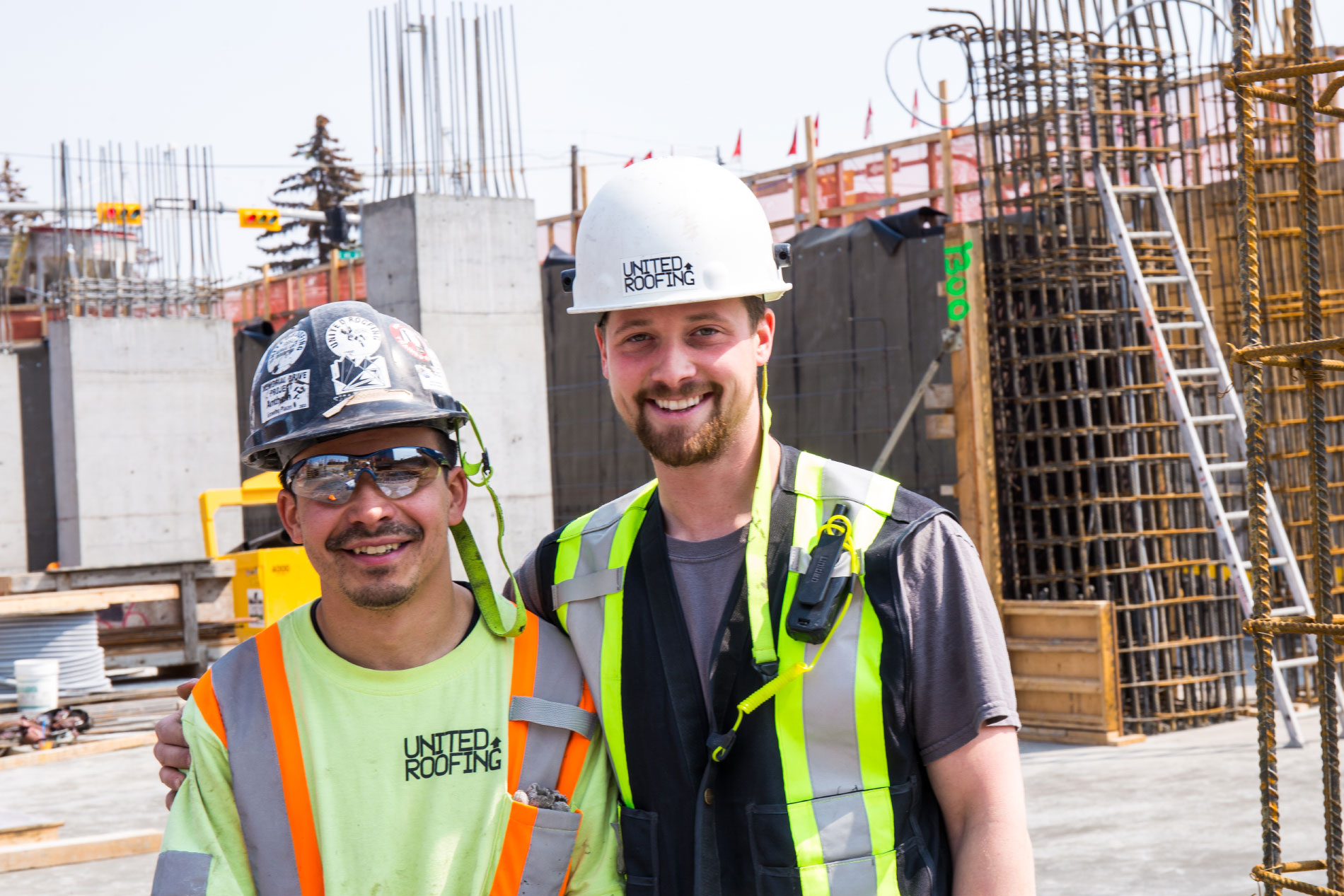
United Roofing works with building owners, property managers, general contractors, architects, management companies, and condo associations. The company was established in 2007 and developed its commercial flat roofing division in 2010.
United Roofing has over 250 full-time staff and provides services across roofing, flat roofing, maintenance and repair, building envelope, waterproofing, and below-ground systems. This broader building envelope experience is useful when roof installation involves transitions, waterproofing details, or coordination with other exterior building systems.
United Roofing is licensed, insured, WCB compliant, an ARCA member, and holds a Workplace Safety COR designation. For commercial flat roof installations, these details matter because safety, documentation, and project coordination can directly affect schedule, cost, and building operations.
Property teams can prepare before requesting a quote
A flat roof installation consultation is more productive when the project team can provide basic building and site information. Not every item is required, but the following can help with planning:
- Building type and use
- Project drawings or specifications, if available
- Desired project timeline
- Roof size or approximate roof area
- Site access details
- Rooftop equipment details
- Drainage or slope requirements
- Insulation goals
- Warranty requirements
- Tenant or operational restrictions
- Coordination needs with other trades
This information helps confirm the scope and supports a clearer discussion about installation options, schedule, and next steps.
New flat roofs still need maintenance planning.
A new flat roof should not be ignored after installation. Regular inspections and maintenance can help identify minor issues before they become larger problems.
Maintenance may include checking drains, removing debris, reviewing seams and flashing, inspecting rooftop equipment areas, and documenting any changes after storms or seasonal weather. For commercial properties, a maintenance plan can also support budgeting and help property teams track roof condition over time.
United Roofing provides maintenance and repair services, including inspection reports and site-specific annual maintenance programs.
Frequently Asked Questions
Why Choose Us
With over 250 staff, United Roofing Inc. is large enough to handle large building projects but small enough not to have lost the personal touch.
There are many reasons why homes and businesses have chosen us for their roofing and building envelope projects down the years.
These are the main five reasons:
What can you expect from us?
We’ll work closely with you to install and maintain the right roofing solution for your building and your budget.
You can expect:
Once we’re appointed, a dedicated project manager will help you arrange: